


Choosing an Assisted Living community is an important life decision—one that impacts not only daily routines, but also long-term comfort, safety, and peace of mind. For families and seniors, the process can feel complex and emotional, especially when balancing independence with the need for reliable support.
This guide is designed to help families and seniors understand how to compare assisted living facilities thoughtfully and confidently. By breaking the process into manageable steps and focusing on the factors that truly influence quality of life, families can move forward with clarity instead of uncertainty. By focusing on what matters most—care, lifestyle, environment, and long-term support—families can navigate the decision-making process with greater clarity and confidence.

Why a Careful Comparison Matters
The search for Assisted Living often begins during a time of transition. Whether prompted by health changes, safety concerns, or a desire for more social engagement, families are frequently navigating unfamiliar territory.
While many communities may appear similar on the surface, meaningful differences often exist beneath the marketing materials. Variations in care philosophy, staffing consistency, lifestyle programming, and communication practices can significantly affect a resident’s day-to-day experience.
Taking a structured approach to comparing communities helps families:
- Focus on what truly aligns with their loved ones’ needs and values
- Avoid rushed decisions driven by urgency or stress
- Gain confidence that the chosen community can support both current and future needs
An informed comparison leads to peace of mind—not only at move-in, but throughout the assisted living journey.
Identify Your Loved One’s Needs First
Before touring communities or reviewing pricing, it’s essential to clearly understand what your loved one needs today and what may be required in the future.
Care Needs
Start by evaluating daily support requirements. Consider whether assistance is needed with:
- Activities of daily living (ADLs), such as bathing, dressing, grooming, or toileting
- Cognitive support for memory changes, confusion, or early signs of dementia
- Medication reminders or administration
- Mobility support, balance assistance, or fall prevention
Early signs such as difficulty managing household tasks, increased forgetfulness, or missed medications can help guide decisions about the appropriate level of care.
Lifestyle Preferences
Equally important is how your loved one wants to live. Assisted Living should enhance quality of life, not simply meet basic needs. Consider preferences such as:
- Opportunities for social engagement and meaningful connection
- Wellness programs that support physical and mental health
- Dining experiences that feel enjoyable and flexible
- Daily routines that preserve independence and personal choice
A community that aligns with these preferences is more likely to feel like home.
Budget and Financial Considerations
Financial clarity is critical early in the process. Families should:
- Understand what services are included in monthly pricing
- Ask how care costs may change over time
- Explore long-term financial planning tools, including savings, insurance, or other resources
Having open conversations about finances helps families plan confidently and avoid unexpected stress later.
Key Factors to Compare When Touring Assisted Living Communities
Once needs and priorities are clear, families can begin evaluating communities more effectively.
Care Services and Level of Support
Care is the foundation of Assisted Living. When comparing communities, look for:
- Individualized care plans tailored to each resident
- Regular care assessments and updates as needs evolve
- Access to healthcare partners or coordination with outside providers
Strong communities emphasize proactive and holistic care that adapts over time while preserving dignity and independence.
Amenities and Lifestyle Offerings
Amenities shape the rhythm of daily life and influence resident satisfaction. Consider how each community supports engagement through:
- Dining programs with nutritious, appealing menu options
- Wellness classes, fitness opportunities, and enrichment programs
- Social activities that encourage connection and purpose
- Transportation services and welcoming common areas
Thoughtfully designed amenities help residents stay active, social, and fulfilled.
Staff Training and Community Culture
The quality of staff interactions often defines the resident experience. During tours, ask about:
- Staff-to-resident ratios and availability
- Caregiver training, certifications, and ongoing education
- Communication practices with residents and families
A stable, compassionate team fosters trust, familiarity, and a sense of security.
Location and Surroundings
Location plays a meaningful role in comfort and accessibility. Families should consider:
- Proximity to loved ones and medical providers
- The surrounding neighborhood and overall atmosphere
- Indoor and outdoor spaces that encourage relaxation and movement
An inviting setting enhances independence and supports emotional well-being.
Transparency in Pricing and Included Services
Clear pricing allows for accurate comparisons. Be sure to ask:
- What services are included in base rent
- Which services carry additional fees
- How pricing adjusts if care needs increase
Transparency builds trust and helps families compare assisted living communities with confidence.
How to Evaluate the Resident Experience
Beyond care and amenities, observing daily life provides invaluable insight.
Observe the Community Atmosphere
While touring, pay attention to:
- Cleanliness and maintenance
- How residents and staff interact
- Whether common areas feel active and welcoming
These details often reflect the community’s values and leadership.
Talk with Residents and Families
Speaking directly with residents and their families can offer perspective on:
- Daily routines and overall satisfaction
- Responsiveness of staff to concerns
- Whether expectations matched reality
Authentic feedback can help confirm whether a community feels like the right fit.
Sample Activities or Dining (When Offered)
Participating in a meal or activity allows families to experience:
- Food quality and dining atmosphere
- Social interaction among residents
- The overall tone and energy of the community
These experiences often reveal what daily life truly feels like.
Questions to Ask During Tours
Bringing a consistent checklist ensures no important detail is missed:
- What does a typical day look like for residents?
- How is care evaluated and updated over time?
- What safety and emergency systems are in place?
- What training do caregivers receive?
- How is medication management handled?
- What is the process if care needs increase?
- Which amenities or services have additional fees?
- What activities or programs can family members participate in when visiting?
- What should older adults bring to Assisted Living?
Thoughtful questions lead to clearer, more confident decisions.
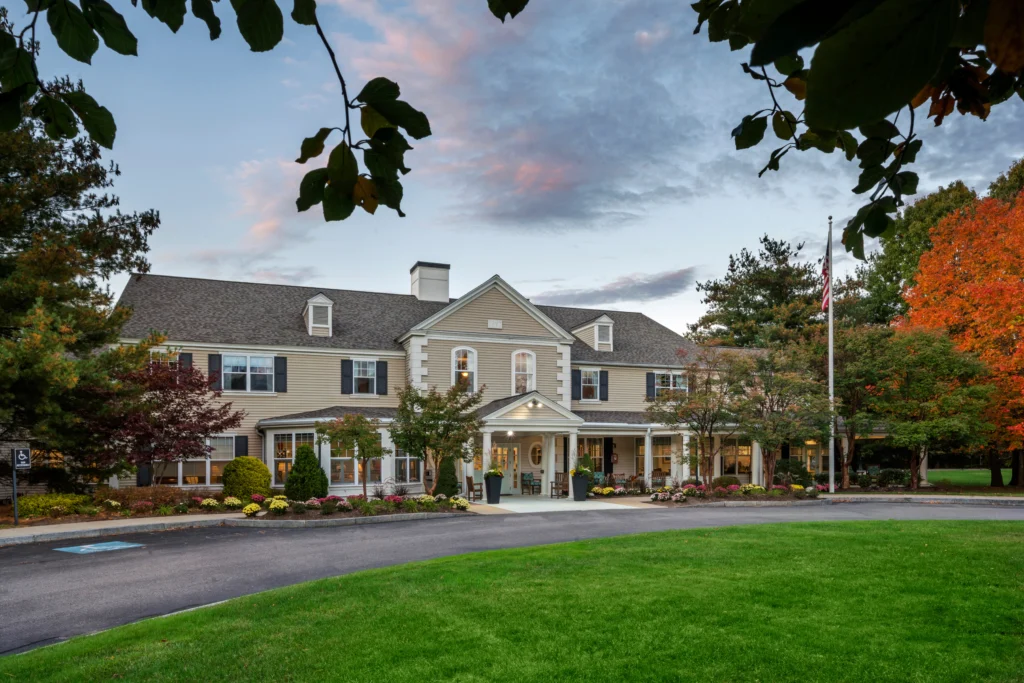
Why Allerton House Hingham Is an Example of What to Look For
Allerton House Hingham reflects many of the qualities families seek when evaluating Assisted Living communities. The community emphasizes personalized care that respects each resident’s needs, preferences, and independence.
Engaging amenities and thoughtfully designed spaces encourage connection, activity, and daily enjoyment. Residents benefit from a welcoming environment that balances comfort with opportunity, allowing them to maintain autonomy while receiving the right level of support.
Equally important is the community’s culture. A professional, compassionate team prioritizes communication, consistency, and resident-focused care, creating a sense of trust and belonging for both residents and their families. Together, these elements demonstrate what families should look for when comparing assisted living communities.
Discover the Difference at Allerton House Hingham
Discover the difference at Allerton House Hingham, where personalized care and engaging amenities create a vibrant Assisted Living experience. Schedule a tour today to see how our community can support your loved one’s independence, comfort, and well-being.