


Quick Look: Wise and healthy aging is about more than physical health—it’s a holistic approach that supports the mind, body, and emotional well-being through intentional daily choices. From staying active and socially connected to engaging the mind and maintaining healthy routines, these habits work together to promote long-term vitality, independence, and quality of life.
What Wise and Healthy Aging Means Today
Wise and healthy aging reflects a shift toward staying active longer, exploring new interests, and prioritizing wellness, independence, and purpose. Instead of focusing only on longevity, it emphasizes intentional choices that support physical, mental, emotional, and social well-being.
In senior living communities, this approach is supported through built-in opportunities for engagement, learning, and connection. A supportive environment makes it easier for older adults to maintain healthy routines, stay active, and enjoy a more vibrant, fulfilling lifestyle.
“Wise and healthy aging means creating an environment where older adults feel empowered to stay active, connected, and engaged in the life they want to live. When wellness, support, and relationships are part of daily life, residents are better able to maintain independence and overall well-being,” said Victoria Murphy, RN, CDP, Regional Director of Resident Care & Compliance, Welch Senior Living.
The Key Connection Between Wise Aging and Overall Well-Being
Wise aging is built on the connection between physical, emotional, and mental health—each one supports the others. When they’re in balance, overall well-being is stronger and more sustainable.
Simple daily habits make a meaningful difference. Staying active, maintaining social connections, eating well, sleeping properly, and choosing preventative care all work together to support long-term health. Even small, consistent actions can add up to lasting improvements in vitality and quality of life.
Healthy Lifestyle Habits That Support Wise Aging Over Time
Healthy aging is built on consistent daily habits that support both body and mind.
Balanced nutrition plays a key role, with nutrient-rich foods like fruits, vegetables, lean proteins, whole grains, and healthy fats supporting energy, brain health, and overall vitality. Staying hydrated is just as important for maintaining focus, digestion, and steady energy levels.
Quality sleep supports memory, mood, immunity, and physical recovery, while stress management practices like mindfulness, time outdoors, or enjoyable hobbies help support emotional well-being. Preventative care and routine checkups also help maintain long-term health.
Other supportive habits include:
- Staying consistent with preventative healthcare appointments
- Spending time outdoors for fresh air, movement, and mood support
- Maintaining hobbies that encourage creativity and purpose
- Building routines that create structure and reduce stress
- Practicing gratitude and positive daily reflection
How Physical Activity Promotes Wise and Healthy Aging
Physical activity is essential for wise and healthy aging, helping maintain strength, flexibility, balance, heart health, and independence.
It can also reduce fall risk, improve endurance, and support mental well-being. Even moderate, enjoyable movement each week can make a meaningful difference.
Many seniors benefit from activities such as:
- Walking clubs and outdoor walks
- Group fitness classes
- Strength and resistance training
- Stretching and flexibility exercises
- Balance-focused movement programs
- Low-impact yoga or chair yoga classes
- Water aerobics and gentle movement programs
- Guided balance and fall-prevention exercises
- Functional fitness activities that support everyday mobility
At Allerton House Hingham, wellness is woven into everyday life through opportunities that encourage residents to stay active and engaged.
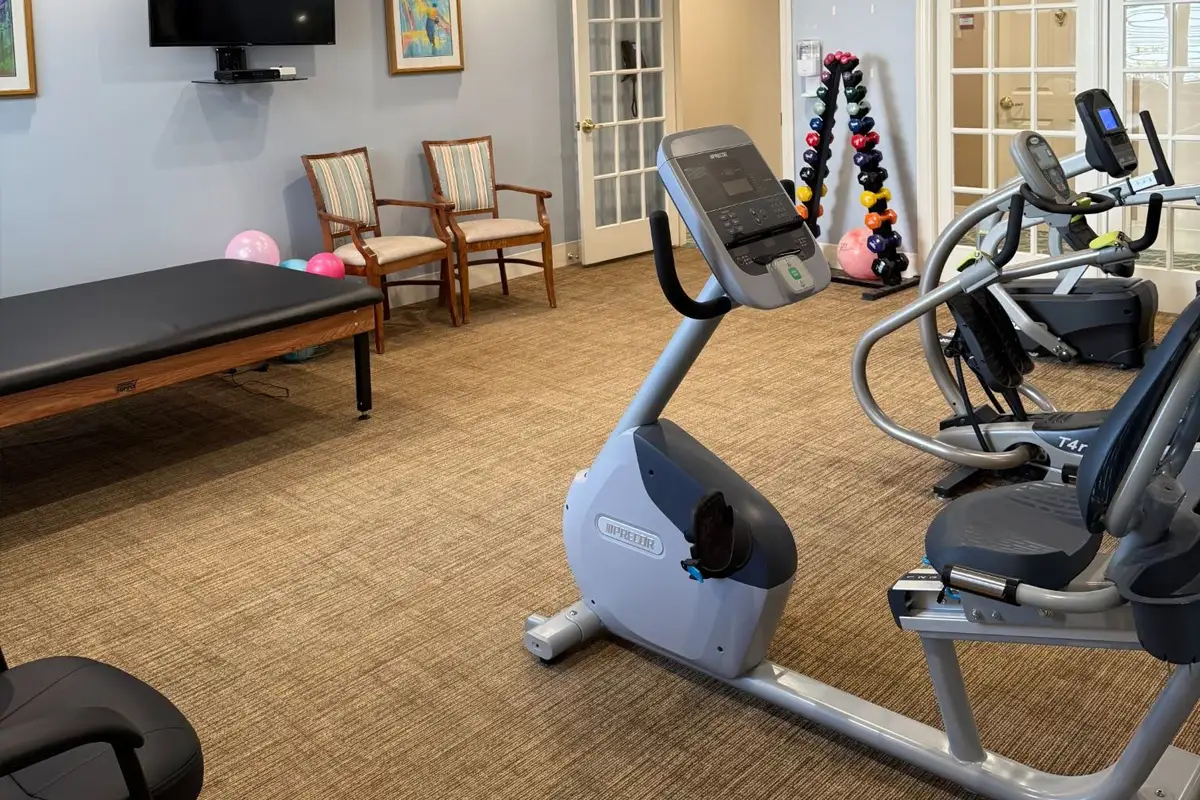
The community features a state-of-the-art fitness center equipped with modern equipment designed to support healthy aging and physical wellness.
A variety of fitness classes helps residents participate at their own comfort and ability levels while building consistency through structured programming and supportive guidance.
This emphasis on movement helps make physical activity feel approachable, enjoyable, and sustainable as part of a healthy daily routine.
The Role of Cognitive Engagement in Aging Well
Staying mentally active is a key part of wise and healthy aging, helping support memory, focus, and long-term brain health. Cognitive engagement also supports confidence, independence, and emotional well-being.
Ways to stay mentally engaged include:
- Reading, puzzles, and games
- Creative hobbies like art, music, or writing
- Taking classes or attending lectures
- Trying new skills or interests
- Participating in conversations and group activities
Why Social Connection Is Essential for Healthy Aging
Human connection remains essential at every stage of life. Strong social relationships can positively impact emotional health, reduce feelings of loneliness, and even support physical wellness.
Older adults who stay socially connected often experience greater life satisfaction and emotional resilience. Simple daily interactions—whether through shared meals, group activities, or conversations with friends—can provide a sense of belonging and purpose.
Community environments create natural opportunities for social engagement through:
- Clubs and interest groups
- Group fitness and wellness programs
- Shared dining experiences
- Social events and gatherings
- Volunteer opportunities that foster purpose and contribution
- Intergenerational events and family gatherings
- Educational seminars and lifelong learning opportunities
- Resident-led clubs and peer support groups
- Community outings and local cultural experiences
These connections can help seniors remain active participants in daily life while building meaningful relationships with peers who share similar interests and experiences.
Supporting Wise and Healthy Aging in Senior Living Communities
At Allerton House Hingham, wise and healthy aging is supported through a lifestyle that makes it easier to stay active, connected, and engaged each day. Maintenance-free living gives residents more time to focus on wellness, relationships, and meaningful daily experiences.
Residents benefit from a state-of-the-art fitness center and a variety of classes designed for all ability levels, helping them build consistent, sustainable healthy routines.
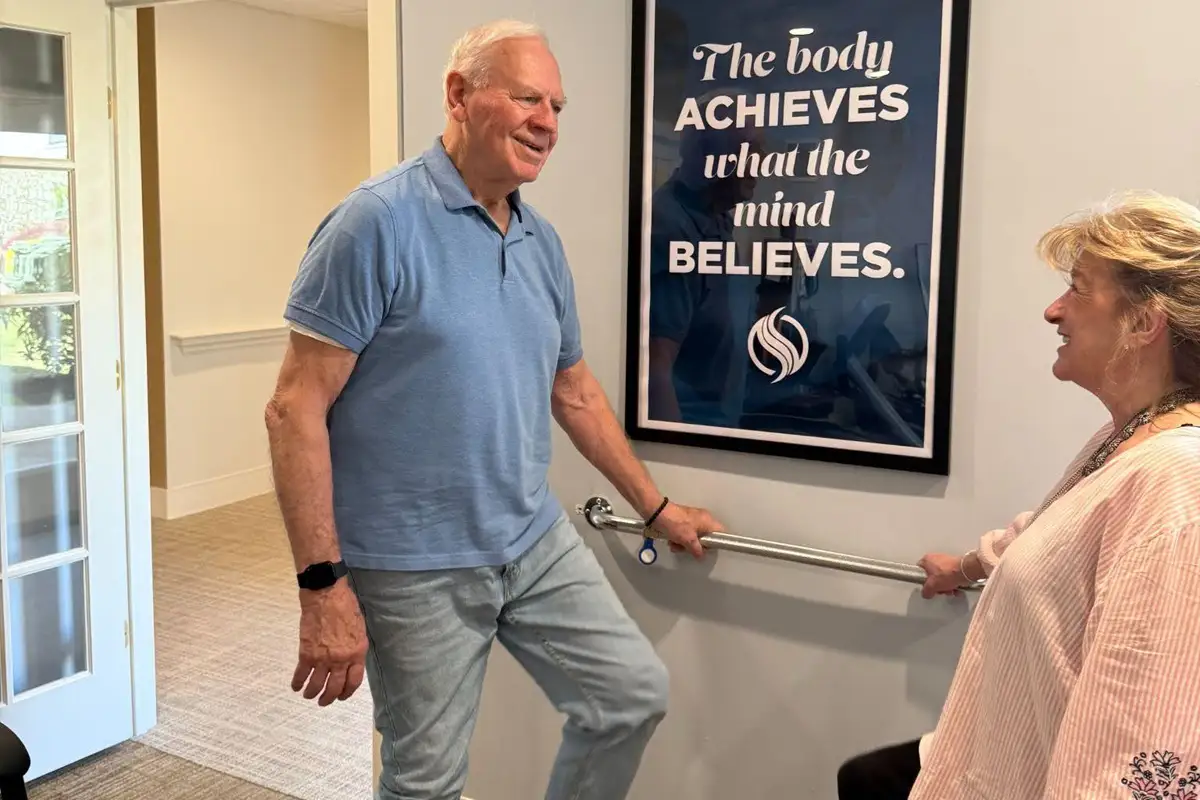
Together, wellness programming, rehabilitation support, and a connected community environment create a setting where residents can stay active, recover with ease, and continue living with confidence and purpose.
Bringing Wise and Healthy Aging to Life Through Wellness, Support, and Community
Wise and healthy aging is shaped by daily choices and supportive environments. Prioritizing physical activity, mental engagement, social connection, and overall wellness helps older adults maintain independence, vitality, and purpose over time.
It’s never too early—or too late—to focus on habits that support long-term well-being. With the right support and opportunities, healthy aging becomes a more natural and fulfilling part of everyday life.
Experience how wise and healthy aging comes to life at Allerton House Hingham, where wellness, connection, and personalized support are part of everyday living. Our community is designed to support long-term well-being at every stage. Schedule a visit today to see how our approach to health, activity, and care helps residents stay strong, engaged, and confident in their daily lives.